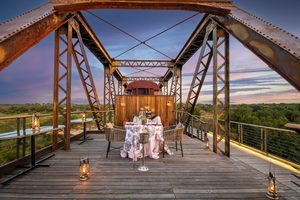
Luxury Safari Honeymoon: The Most Romantic Bush Escape in South Africa
Key Takeaways A safari honeymoon in South Africa pairs privacy, romance and shared adventure in a way few other trips can match. A truly honeymoon-worthy experience is built…

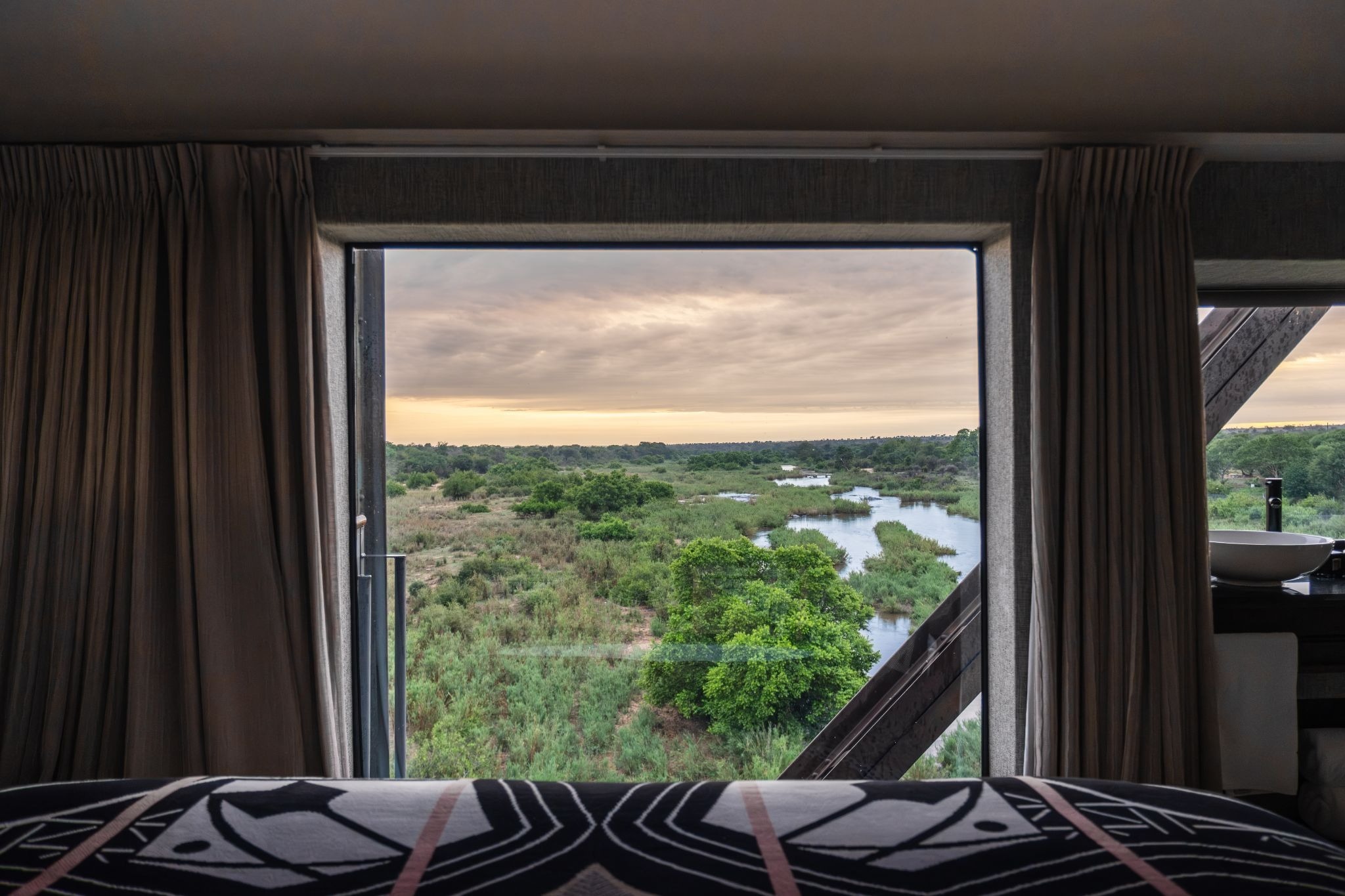
There is no single moment that defines a South African safari. There is only movement: the slow pull of the seasons across the Lowveld, the shift from gold to green and back again, the wildlife drawn to water and then dispersed by rain. At Kruger Shalati, that movement is watched from an unusual vantage: a bridge that has stood above the Sabie River for a century, carrying a train reimagined as a hotel on its back. Choosing where and when to experience South Africa’s safari country is, in many ways, the entire art of planning a luxury trip. Get it right, and the land does the rest.
A luxury South Africa safari is defined by expert guiding, design-led accommodation and a level of service built around the individual guest, not a group itinerary. It’s less about scale and more about how considered every detail feels: the guiding, the setting, the pace of the day.
Kruger Shalati is a useful measure of what that looks like in practice. In 2025 it became the only property inside Kruger National Park to receive Two MICHELIN Keys, hospitality’s equivalent of a MICHELIN star, awarded for character, design, service and connection to place. That kind of recognition isn’t handed out for scale or spend. It rewards smaller camps with low guest-to-room ratios, personal hosts rather than a reception desk, and a location chosen for genuine access to wildlife rather than proximity to a car park.
Greater Kruger is the flagship destination for a Big 5 luxury safari in South Africa, and Kruger National Park itself, at the heart of the region, offers decades of conservation history alongside some of the country’s most rewarding sightings. The park turned 100 in 2026, a milestone Kruger Shalati sits inside quite literally: the Selati Bridge the property rests on carried the very first rail travellers into the park, back when a night spent in a carriage on this crossing was itself the adventure.
For families or travellers wary of malaria risk, several malaria-free reserves elsewhere in South Africa offer similar Big 5 credentials without the need for antimalarial medication. Kruger itself sits within a malaria area, so standard precautions apply here, Kruger Shalati included. What the park offers in return is a depth of history few malaria-free alternatives can match, and a stay like Kruger Shalati, suspended not just near the wilderness, but directly above it.
From the bridge, the seasons arrive like chapters in the same long story. Winter, from May to October, strips the bush back to its bones: water becomes scarce, and life gathers wherever it remains, close enough to watch from a suite window. The green season, from November to April, tells the opposite tale: rain-swollen rivers, newborn animals, a landscape thick with colour, and quieter roads for those who prefer their safari without the crowds.
Neither season is better, only different: one offers clarity, the other offers colour. Kruger Shalati remains open and fully operational year-round, rain or dry spell; the bridge itself is built to weather whatever the Sabie brings. For a full month-by-month breakdown, our dedicated seasonal guide, Best Time to Visit South Africa for Safari, covers the whole year in more depth.
At Kruger Shalati, a luxury stay is designed to remove the guesswork. Rates include accommodation, all meals, teas and coffees, daily soft drinks, house wines, local spirits and beers, and two guided game drives a day in open safari vehicles, alongside complimentary return transfers between Skukuza Airport and the lodge.
The details beyond the rate card matter just as much:
To get a sense of what these elements look like in a real setting, Kruger Shalati’s gallery offers a closer look at the property.
Luxury safari pricing in South Africa varies widely depending on the reserve, season, lodge category and length of stay. At Kruger Shalati, 2026 SADC rates range from R6,500 per person per night sharing in a Bridge House Suite during the quieter January to March period, up to around R12,130 per person per night sharing in a Carriage Suite during peak winter (July to October). International rack rates sit higher again, and stays of three nights or more unlock long-stay pricing across both suite types.
Rather than rely on figures that date quickly, it’s worth going directly to the property for current specifics: you can explore Kruger Shalati’s suite rates and packages for current pricing.
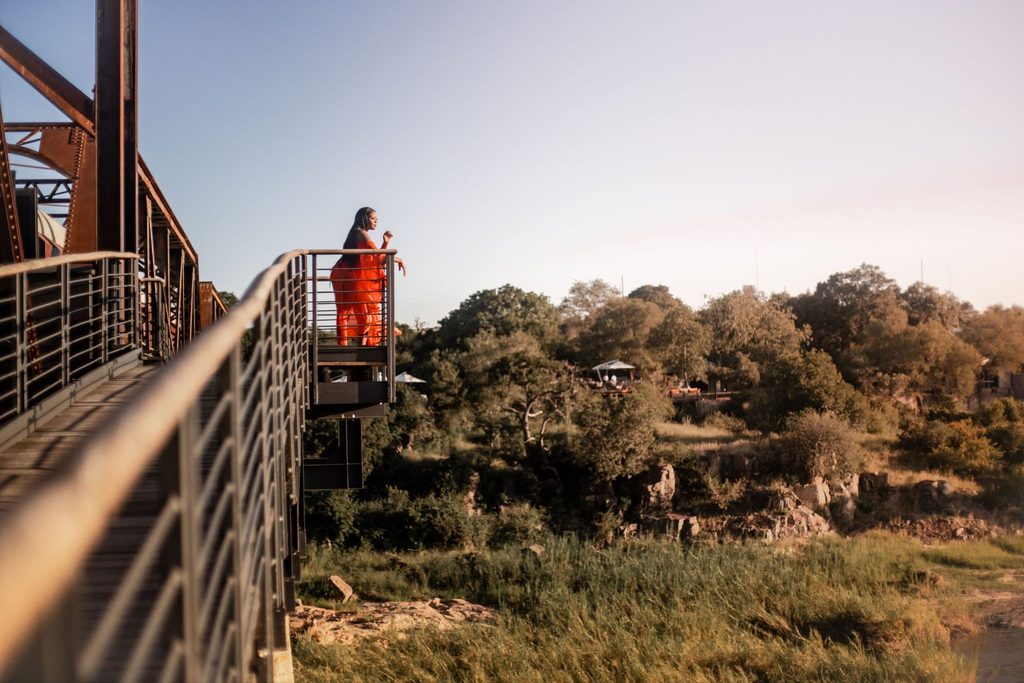
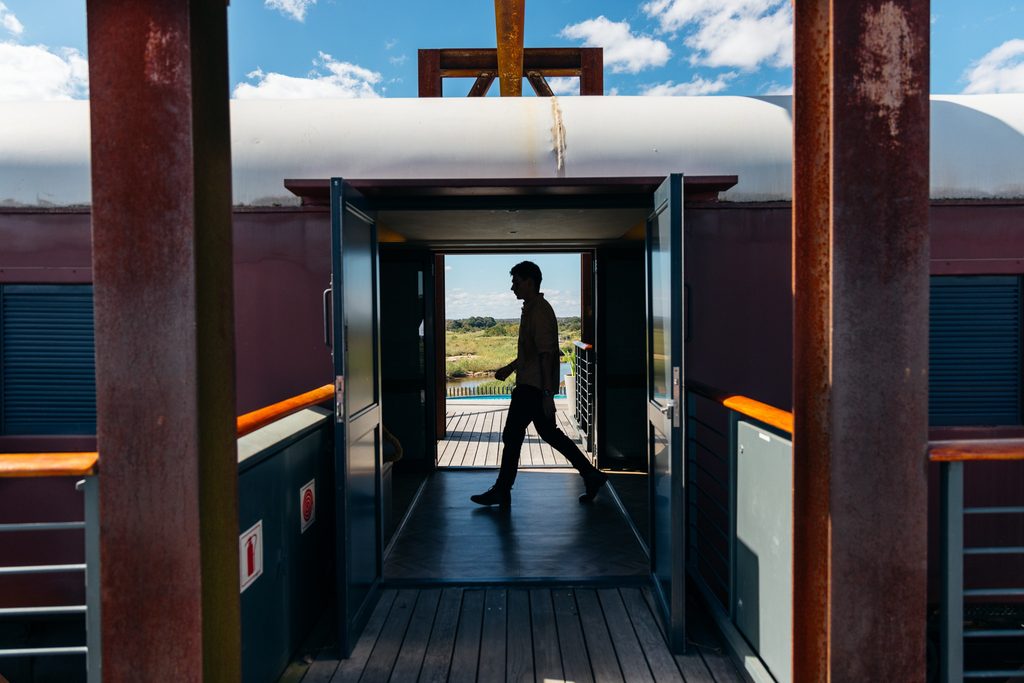
Where most luxury safari conversations stop at tented camps and treehouse suites, a small number of properties in South Africa go further, reimagining what a safari stay can look like altogether. Kruger Shalati is the clearest example: a heritage train, restored and repositioned as a hotel, suspended on the historic Selati Bridge above the Sabie River, inside Kruger National Park itself.
The concept draws on real history: the story behind the historic Selati Bridge traces back to the earliest travellers who slept in railway carriages on this very crossing, drawn here by the founding days of the park, and the property’s name honours Shalati, a nineteenth-century Tsonga warrior queen. For travellers who have already stayed in a tented suite or a treehouse and are chasing something they haven’t experienced before, a stay suspended on a bridge over a river, with wildlife moving beneath, is difficult to match anywhere else on the continent.
Winter, the dry season, from May to October, is generally best for game viewing, as thinning vegetation and concentrated waterholes make wildlife easier to spot. At Kruger Shalati, this is also when the Sabie River below the bridge runs at its lowest, drawing wildlife closest to the water and, by extension, closest to the suites themselves. The green season, from November to April, offers lush scenery, dramatic weather and excellent birdlife instead.
Several malaria-free reserves elsewhere in South Africa offer similar Big 5 credentials without the need for antimalarial medication. Kruger National Park itself, including Kruger Shalati, sits within a malaria area, so standard precautions are advised for anyone travelling here; what the park offers in return is a depth of history, and a specific bridge, that a malaria-free alternative simply can’t replicate.
Most guides recommend a minimum of three to four nights at one lodge for a well-rounded chance of Big 5 sightings. At Kruger Shalati, three nights or more also unlocks long-stay rates across both suite types, making a slightly longer visit better value as well as a better safari.
A luxury safari is defined by expert guiding, design-led lodges and highly personalised service, rather than simply a high nightly rate. Recognition such as Kruger Shalati’s Two MICHELIN Keys, awarded for character, design and connection to place, points to what actually separates a luxury stay from an expensive one.
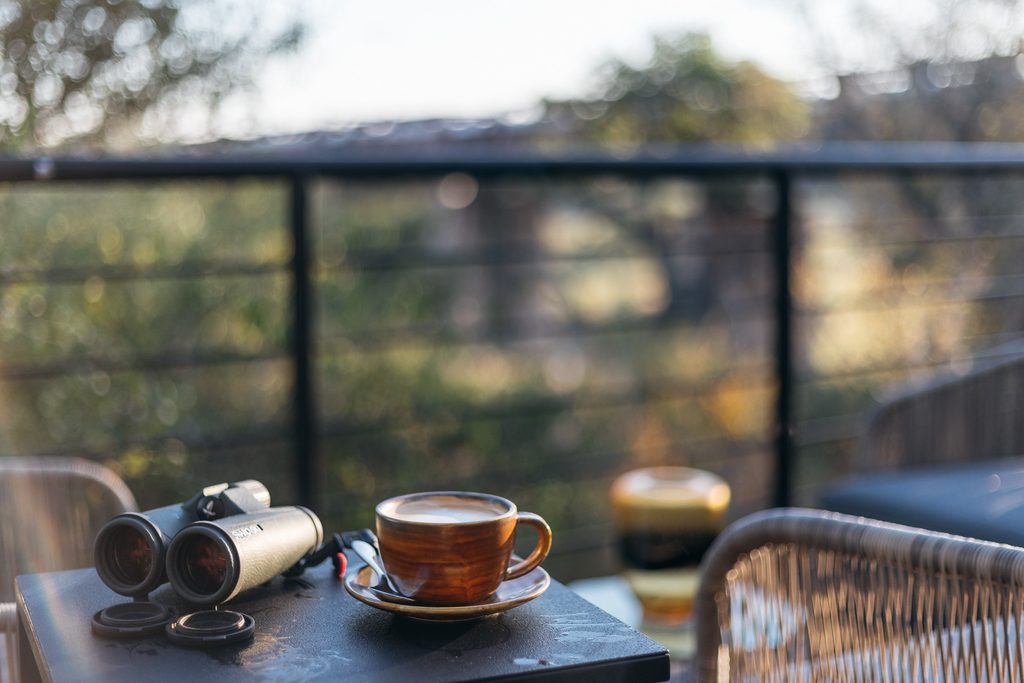
Neutral-coloured, breathable clothing, layers for cool mornings and evenings, sun protection, and binoculars are safari essentials. Most luxury lodges, Kruger Shalati included, provide safari wear laundering, so packing light is generally encouraged.
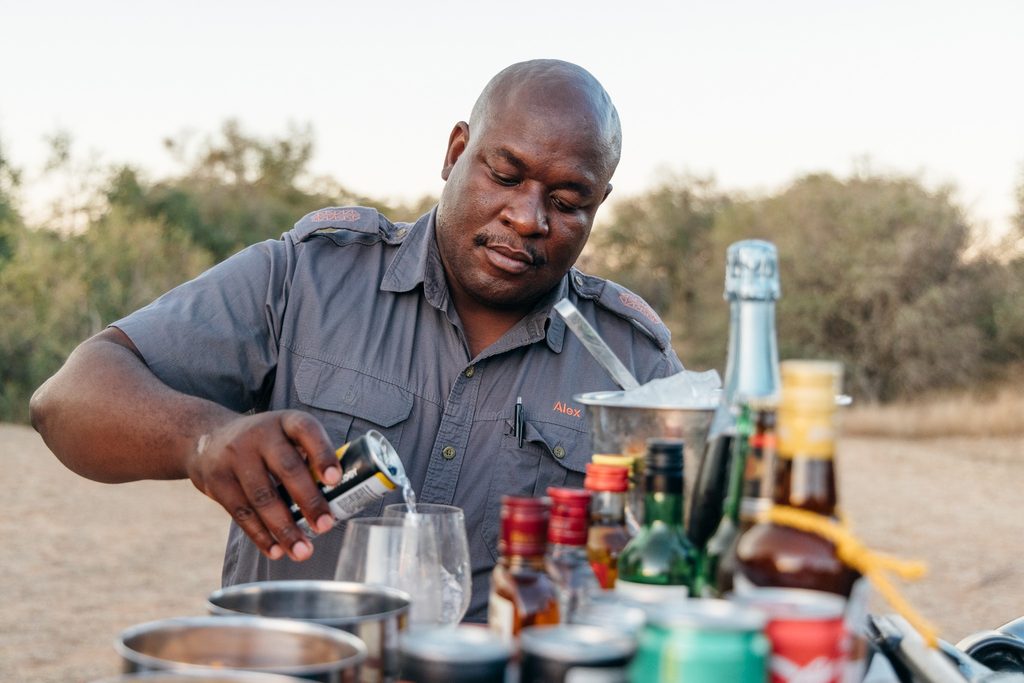
A luxury South Africa safari brings together exceptional game viewing, expert guiding and, increasingly, accommodation that’s every bit as memorable as the wildlife itself. The land here doesn’t perform on a schedule. It simply moves, season after season, the way it has for a hundred years and more, and every guest is invited to step into that rhythm for a while. For a stay that goes beyond the traditional lodge altogether, explore Kruger Shalati and discover what it means to be suspended, quite literally, above one of the wildest stories on earth.
Key Takeaways A safari honeymoon in South Africa pairs privacy, romance and shared adventure in a way few other trips can match. A truly honeymoon-worthy experience is built…

Key Takeaways Kruger National Park's climate splits into two seasons: a lush Green Season (November–April) and a golden Dry Season (May–October). Dry season temperatures range from a crisp…

There is a moment when the Kruger begins to change. The heat gathers. Clouds build on the horizon. The first rains darken the earth and release that unmistakable…



Kruger Shalati
the Train on the Bridge
Selati Station & Bridge
Skukuza Rest Camp
Kruger National Park